Katuku: A Display Font That Elevates Handmade Creations
Katuku on Candle Labels and Boutique Packaging
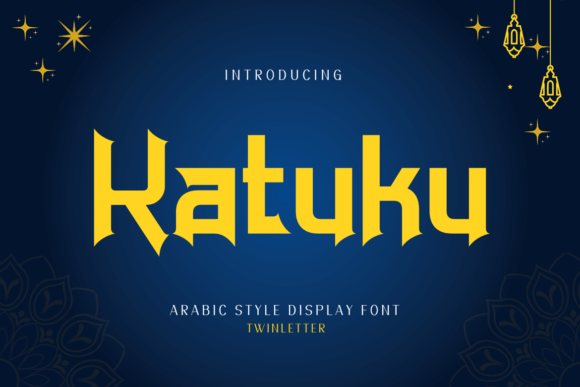
As a web designer who often dabbles in handmade product design, I recently tested Katuku, an Arabic Style Font based on the exquisite Arabic calligraphy style. The first thing I tried was applying it to candle labels for a boutique shop. Katuku brought a sense of elegance and cultural richness that immediately stood out. Its highly decorative and highly variable nature made each label feel unique, almost like a piece of art.
I paired Katuku with a clean sans serif font for the product names and pricing, which balanced the ornate script without overwhelming the eye. The result? A packaging design that felt both luxurious and approachable—perfect for a small artisanal brand looking to make a statement.
Katuku for Wedding Invitations and Elegant Branding
Next, I experimented with Katuku on wedding invitations. As a display font, it shone beautifully when used for titles and decorative wording. I created a mockup using a simple card base and layered Katuku over a soft pastel background. The contrast was stunning, and the font’s intricate curves gave the invitation a timeless, handcrafted feel.
What I loved most about Katuku was its ability to convey emotion. It wasn’t just a font—it was a mood. Whether it was for a romantic ceremony or a chic bridal shower, Katuku added that extra touch of sophistication that makes guests remember the event long after the celebration is over.
For branding purposes, I used Katuku on social media graphics and digital listings. It helped create a consistent visual identity that resonated with the target audience. It was clear that this font was not only versatile but also deeply expressive.
Katuku in Planner Pages and Digital Printables
I also tested Katuku on printable planner pages and digital templates. The font worked exceptionally well for headers and decorative elements, adding a sense of creativity and personalization. I found that it looked best when used sparingly, especially on smaller screens or in digital formats where readability is key.
One of my favorite uses was for a monthly planner cover. Using Katuku for the month name and a complementary script font for the dates, I created a layout that felt both professional and inviting. It was a great example of how Katuku can enhance the visual appeal of everyday tools while maintaining clarity and legibility.
When designing digital printables, I made sure to check the font’s file formats and multilingual support. Since Katuku is a commercial font, it was perfect for creating downloadable content that could be sold on platforms like Etsy or Creative Market.
Katuku for Sticker Sheets and Seasonal Crafts
Finally, I applied Katuku to sticker sheets and seasonal craft designs. The font’s high variability allowed me to experiment with different styles and sizes, making it ideal for creating festive tags and holiday-themed stickers. I used it on a set of Christmas cards and found that it added a unique, culturally rich twist to the traditional holiday aesthetic.
For small stickers, I made sure to test the font’s readability on cutting machines like Cricut and Silhouette. While Katuku is beautiful, it’s important to note that it may not be suitable for very tiny cuts or dense text. However, for short phrases and decorative wording, it performed flawlessly.
Overall, Katuku proved to be a valuable addition to any designer’s toolkit. Its blend of artistic flair and practicality makes it a top choice for anyone looking to elevate their handmade creations with a touch of elegance and cultural depth.